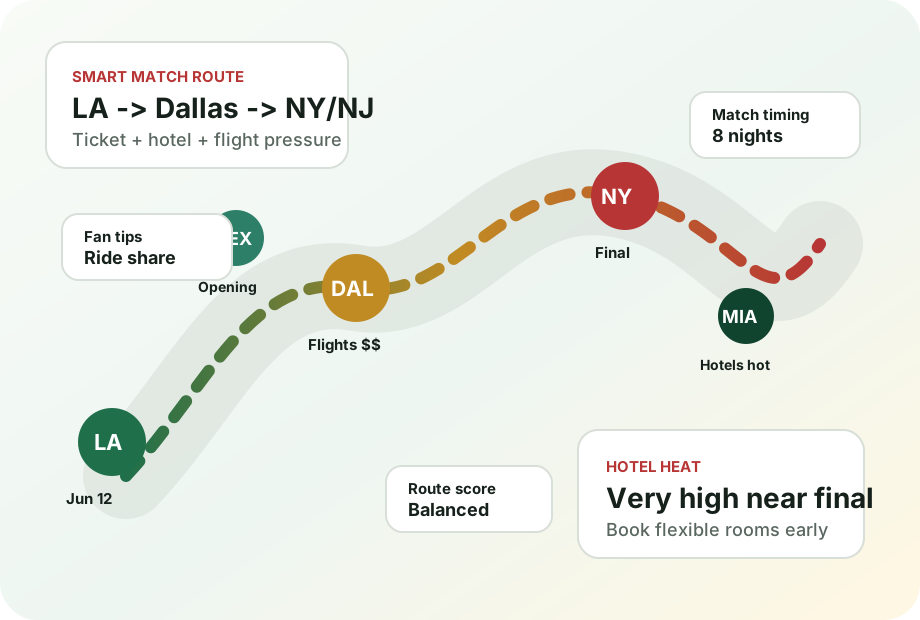
Route map
World Cup 2026 route map: build a trip by clusters first
The best World Cup route map is not just a list of cities. It is a decision map: which cities can be paired, where flights become expensive, and where hotel heat can break the trip budget.
The simple route map rule
Start with one anchor match, then choose a cluster around it. A fan who tries to see too many regions can lose money and energy in airport transfers. A fan who clusters cities can spend more time at matches, fan zones and city experiences.
Best route clusters
| Cluster | Cities | Why it works |
|---|---|---|
| Northeast | Boston, New York New Jersey, Philadelphia | Shorter hops, easier backup plans, strong final access. |
| West coast | Los Angeles, Bay Area, Seattle, Vancouver | Good for Asia-Pacific arrivals and scenic two-week routes. |
| Mexico | Mexico City, Guadalajara, Monterrey | Strong opening-week culture route with fewer border changes. |
| Central/South | Dallas, Houston, Kansas City, Atlanta, Miami | Large stadiums and warm-weather fan demand, but flights need planning. |
Route map questions fans should ask
- Can I sleep in the same hotel for two matches?
- Can I avoid flying the morning after a late match?
- Is the next city a short hop or a full travel day?
- Do I need a refundable final-city room?
Map-to-route decision table
| If the map shows... | Use this plan | Why |
|---|---|---|
| Nearby cities in one region | 10 day itinerary | Enough time for two cities and one transfer day. |
| One match in a high-demand city | One city vs multi city | One base may beat a complicated route. |
| Canada or Mexico added | Cross-border route | Documents and border timing become part of the route. |
| Three or more cities | 2 week itinerary | More cities need more rest and buffer days. |